Celebrating the trailblazers of our international community
Today the John Innes Centre is proud to be home to staff from more than 40 different countries, but did you know that we have a long legacy of hosting international students, researchers and staff since 1912? Here we look back at some of our early visitors, who helped build the foundations of our community at JIC.
In the early twentieth century, The John Innes Horticultural Institute (JIHI), as we were then known, was the only place in Britain undertaking research and training students in plant genetics. The international reputation of the first Director William Bateson, biologist and geneticist, helped consolidate our status as a hub for those interested in this emerging science.
The rich institutional archives in the John Innes Historic Collections offer valuable evidence of these networks of scientists and horticulturalists. The first visitors’ book reveals more than 150 international visitors, from 37 different countries in our first ten years (1910-1920)[i].
Here we explore the life and work of some of these early visitors, through some of the individuals named in our annual reports for this period.
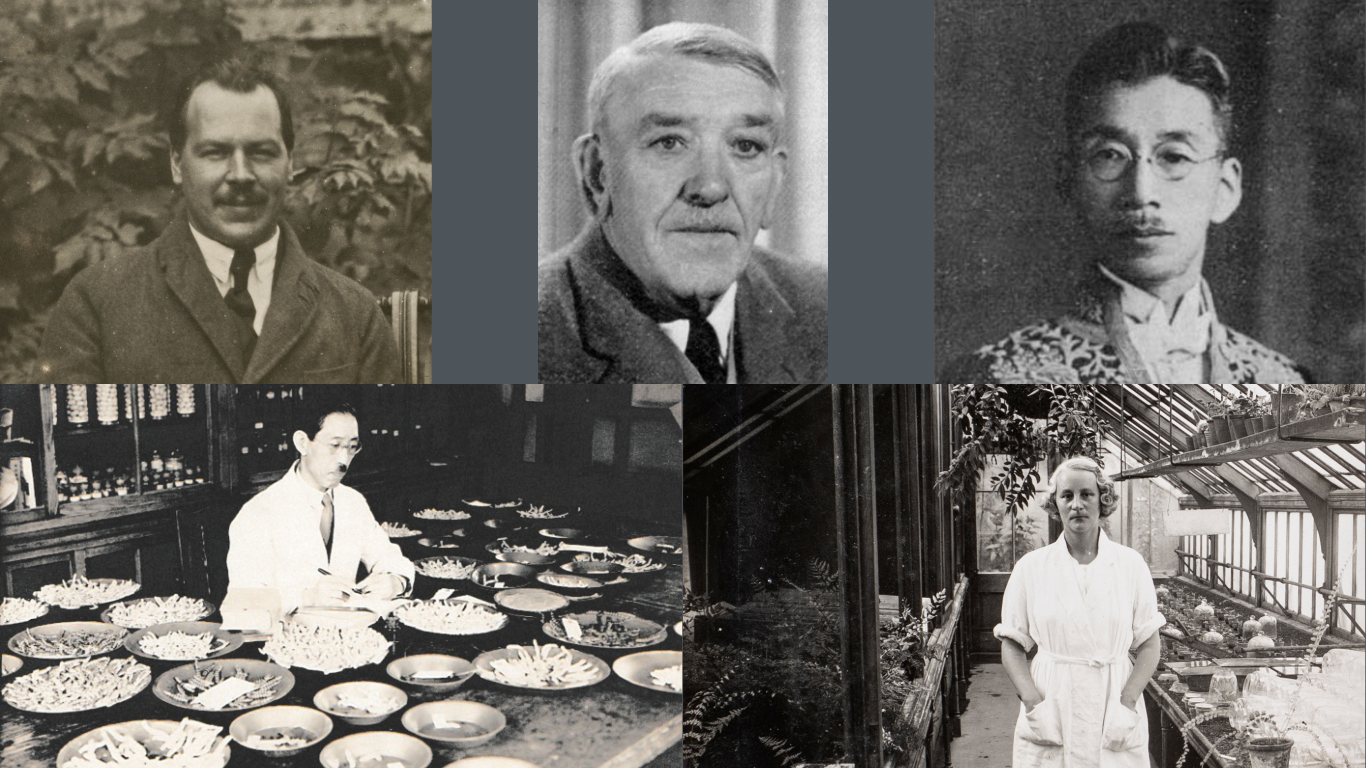
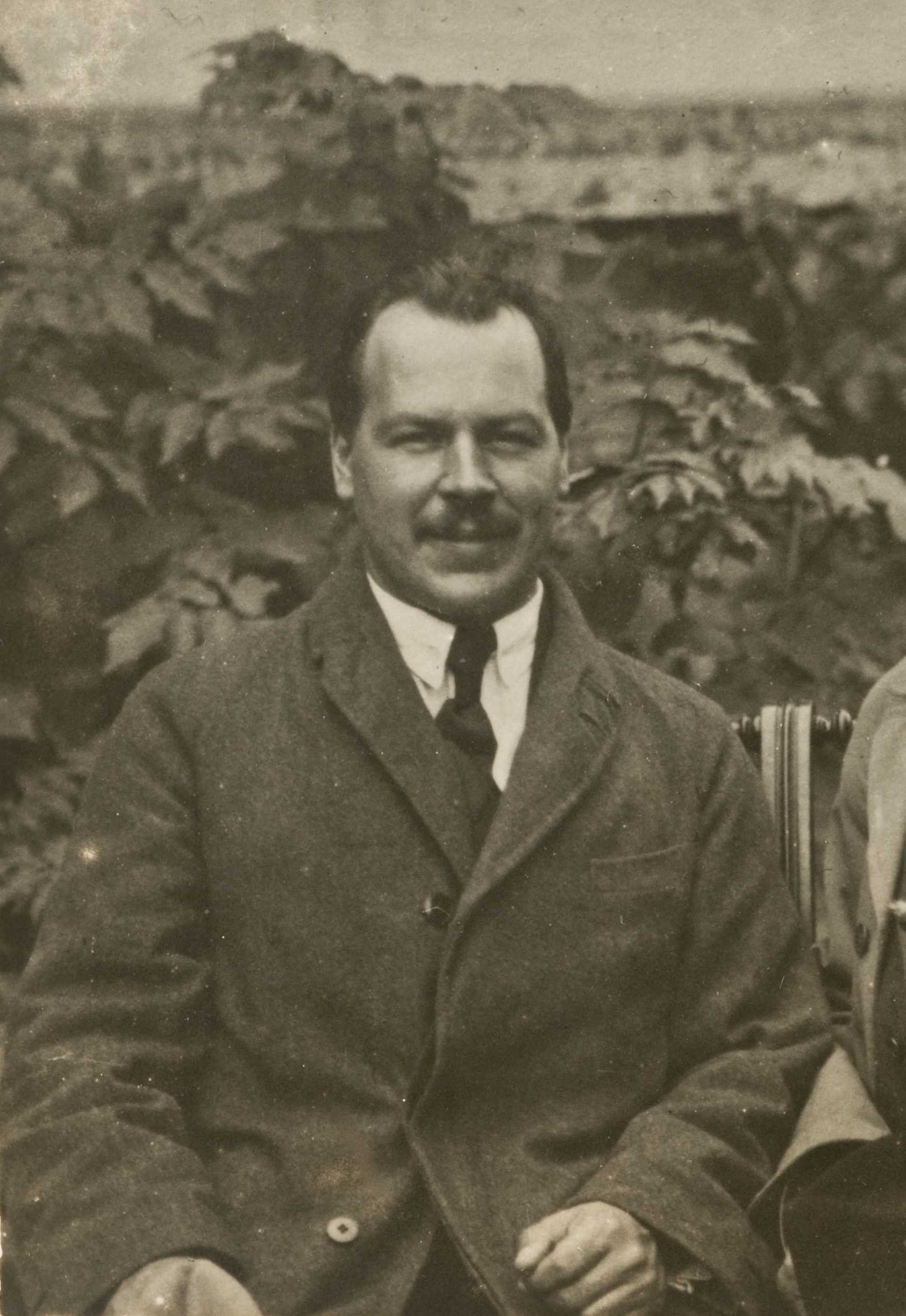
1913-1914: Dr. N. I. Vaviloff
Nikolai Vavilov (1887-1943) is known to some as the ‘Father of Gene Banks’. He came to JIHI to study plant genetics under Bateson, returning to Russia shortly after the declaration of war in 1914.
After returning to Russia, Vavilov was appointed Deputy Head of the Bureau for Applied Botany in Soviet Russia, where he was responsible for growing the country’s agricultural research programme. Vavilov and his staff gathered over 250,000 seed samples from over 60 countries for their gene bank. The link with JIHI was retained, with Bateson visiting Vavilov in Russia in 1925.
The scientists who cared for this gene bank became stuff of science legend when, during the 900-day siege of Leningrad, they resisted eating the seeds despite famine.
In the 1930s, Vavilov’s belief and promotion of Mendelian genetics came into conflict with Soviet-supported Lysenkosim, a pseudoscientific school of thought which rejected the theory of natural selection. After ten years as Director of the Soviet Institute of Genetics, Vavilov was arrested in 1940. He died in prison in 1943.
In 1955, Vavilov was pardoned, with the world-famous germplasm bank he founded surviving to this day now named the N.I. Vavilov Institute of Plant Genetic Resources (VIR), in recognition of his contributions.
1914-15: Mr T. Kusano
Takeo Kusano attended the JIHI in February 1915. The Director noted that JIHI was ‘fortunate in having his assistance for about a year’. Kusano is listed in the JIC Annual report as researching self-sterility in fruit trees.
Kusano later became Professor at Kagoshima Imperial College of Agriculture and Forestry, Japan.
1916: Professor H. M. Chibber
Hormasji Maneckji Chibber (1894-1921) is recorded as being one of the first biology teachers in India.
He worked as Acting Professor of Botany at Gujarat College Ahmedabad, and then Assistant Professor of Botany at the Agricultural College in Pune. By 1916, he had published at least four articles relating to the flora of the region. Chibber also donated a large herbarium collection to the Botany Department of Fergusson College, Pune.
In 1916 he visited The John Innes Horticultural Institute, where he supported Miss E. Sutton’s pollination experiments on self-sterile and self-fertile fruit trees.
1919: Mr. J. Bintner
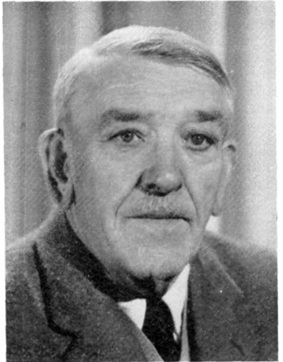
Before spending time at the Institute in 1919 doing experiments in Propagation, Jean Bintner (c.1890-1965) had been sub-foreman of the Royal Botanic Gardens at Kew. In the same year, he authored an article on the fungal disease silver leaf which was published in Kew’s Bulletin of Miscellaneous Information.
In 1922, Jean and his wife Kathleen (also a former worker at Kew) returned to Luxembourg, where Bintner ‘started an experimental station for shrubs and rare plants’, and later worked establishing French branches of the flower wholesalers Monro, Covent Garden.
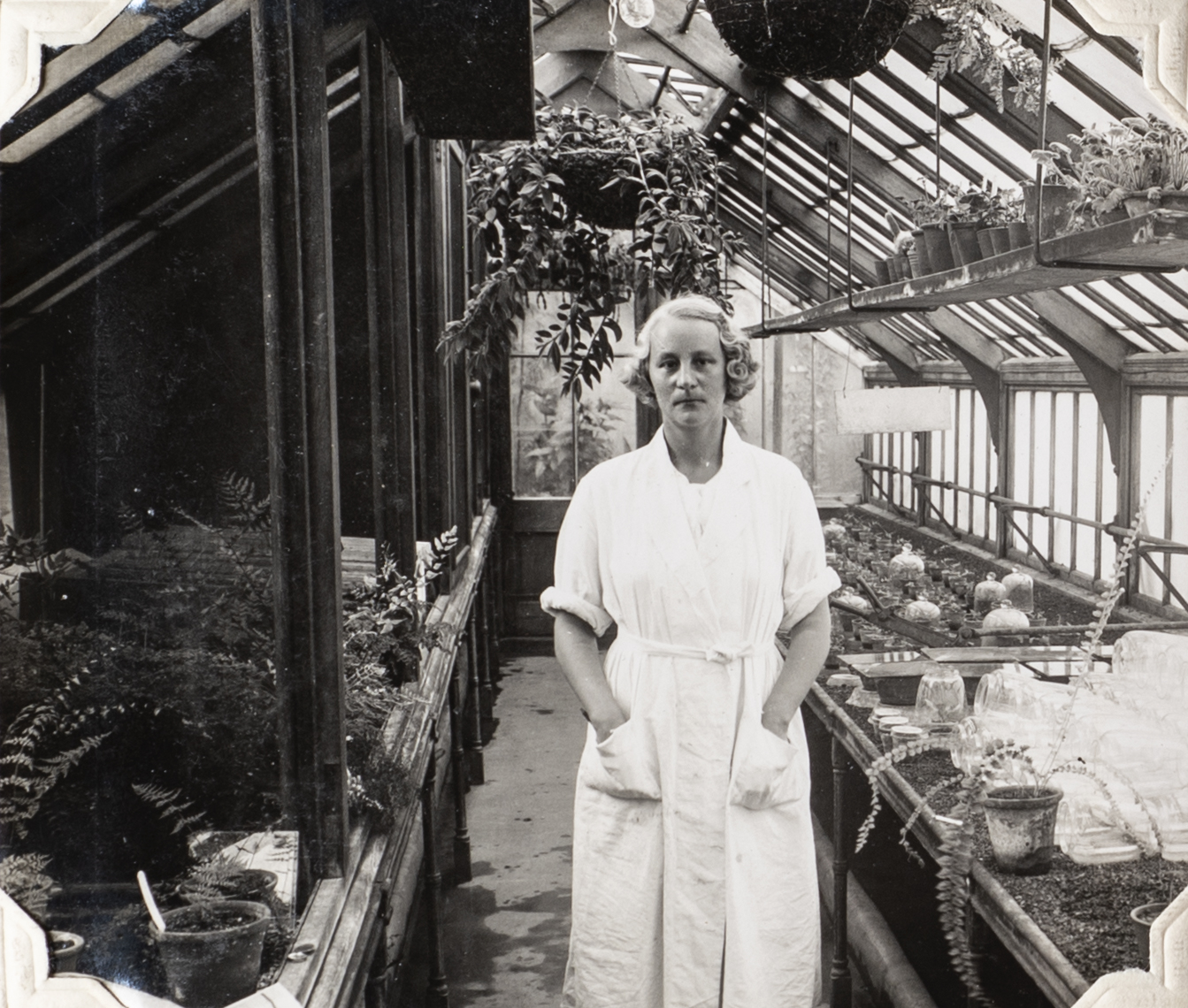
1919-1920: Miss I. Andersson
We’ve previously posted about Swedish botanist Irma Andersson-Kotto (1895-1985), who had written to Bateson requesting to visit. Andersson’s initial work at JIHI was on variegation in a brassica (Barbarea) and in the maidenhair fern, Adiantum cuneatum.
Ferns became the central focus for Andersson’s research at the institute, where she authored 11 papers on the subject, collaborating with colleagues on four of them. Andersson’s status at JIHI was changed to ‘student’ in 1923, gaining her PhD from the University of London in 1934. In 1938 she returned to Sweden to study fungal genetics at the Wenner-Gren Institut, Stockholm.
1919-20: Prof. K. Matsui
Kenkichi Matsui (1883-1964) was a Japanese geneticist whose career focused on the genetics of silkworms. At the start of 1920, Matsui was associated with the Imperial College of Agriculture in Morioka. He had been introduced to Bateson in a letter from Thomas Hunt Morgan, who Matsui worked with at Columbia University for two years.
Not much is known of his time at the institute, but a reference to Matsui in an article by JIHI Director Bateson and geneticist Caroline Pellew in the same year suggests he did some work on pea genetics, and we know that silkworms were also a research focus at the institute around the same time.
After returning to Japan, Matsui went on to become Director of Chiba Agricultural College in the 1950s.
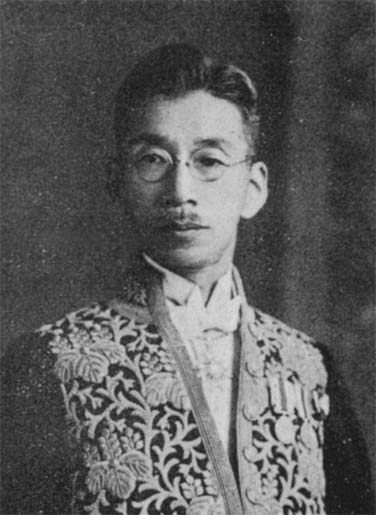
1920: Prof. Tanaka
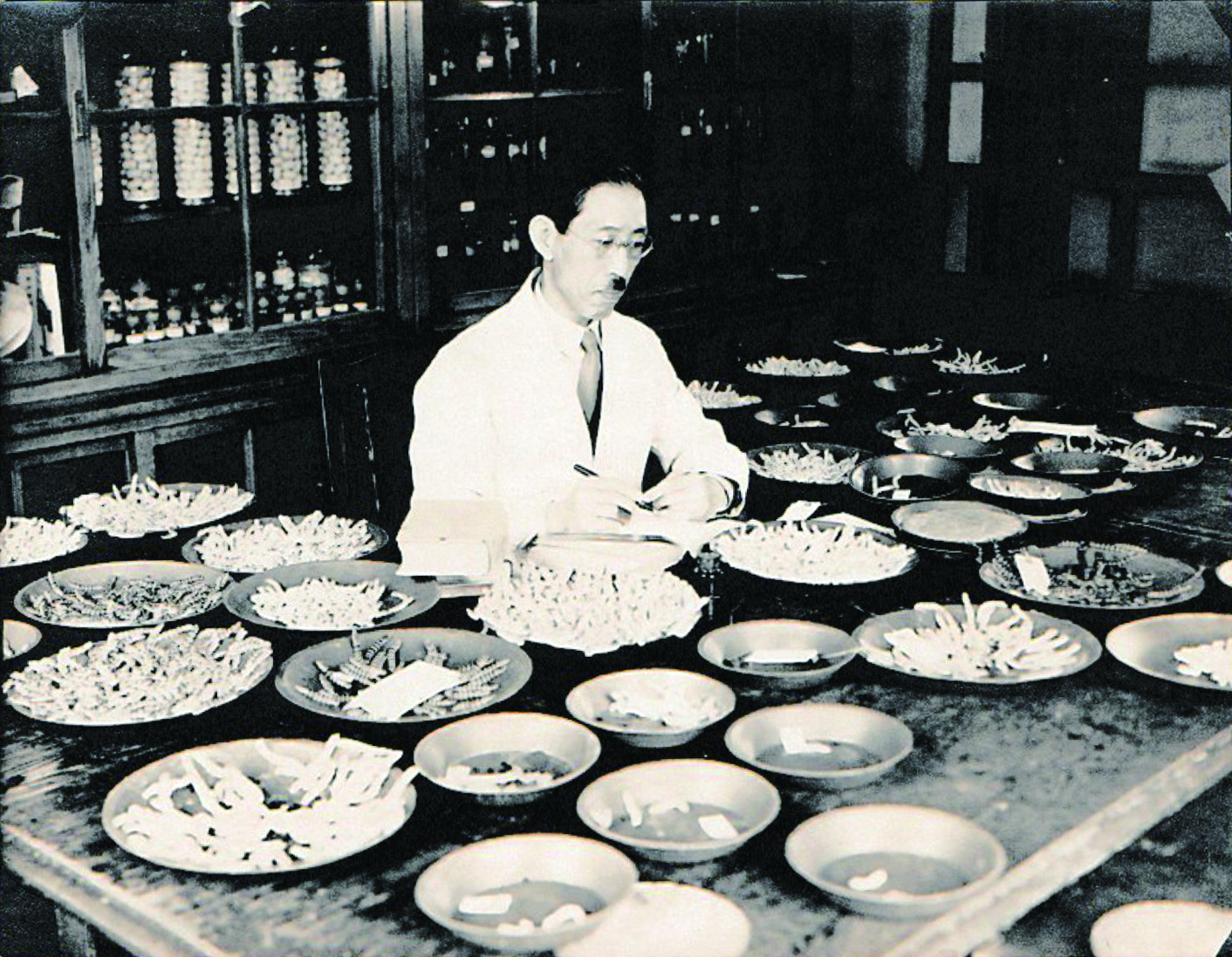
Yoshimaro Tanaka (1884-1972) is another Japanese geneticist who studied silkworms. Originally working at what is now Hokkaido University, Tanaka transferred his lab to the newly created Kyushu University in 1911. Tanaka visited JIHI a year after Bateson had referenced his work in an article on ‘The Progress of Mendelism’ in Nature. After his visit, Tanaka introduced Drosophilia melanogaster to Japan as a model organism.
Tanaka was one of the first Professors at Kyushu University, and was responsible for establishing the University as a centre for silkworm research, which it remains today. The silkworm bioresources still available at Kyushu can trace their lineage to those bred by Tanaka, some over 100 years ago.
Other early visitors
There are other international visitors listed in the annual reports for this period, but no further information could be found on their background, their time at the institute, or what they went on to do once they’d left. If you have any more information on the people we’ve featured, or those listed below, we’d love to hear from you.
- Mr A. D. Rao (Madras), Volunteer worker, 1912
- Lieutenant D A Davies (U.S. Army). Research area: Pulmonaria; Impatiens, 1919
Sources
John Innes Centre Archive: Annual reports (JIC/3), Report of work 1910-1935, Visitors Book, 1910-1949.
Vavilov
- Henry, D (2024) Nikolai Vavilov: The Father of Genebanks
- Petch, E (2014) The tragic tale of Nikolai Vavilov
- Sherwood, M A (2024) Nikolai Ivanovich Vavilov
Chibber
- Chibber, H M (1886) A List of the Natural Orders and Genera of Bombay Plants with Derivations of the Names. Journal of the Bombay Natural History Society
- Chibber, H M (1913) On Variations in the Flowers of Limnanthemum indicum, Thwaites. Journal of the Asiatic Society of Bengal
- Nerlekar, A N (2016) Herbarium collections of the Botany Department, Fergusson College, Pune, India. Taprobanica, v.8(1).https://www.doi.org/10.47605/tapro.v8i1.212
Bintner
- (1968) Journal of the Kew Guild Vol VIII No.LXXIII, p.922
- Binter, J (1919) Silver Leaf Disease. Stereum purpureum. Bulletin of Miscellaneous Information (RBG Kew), 6/7. https://doi.org/10.2307/4111529
Matsui
- Bateson, W & Pellew, C (1920) The genetics of “rogues” among culinary peas (Pisum sativum). Proceedings of the Royal Society. 91(638). https://doi.org/10.1098/rspb.1920.0009
- Letter from T. H. Morgan to W. Bateson, Bateson Archive, WB/K.66,
Tanaka
- Bateson, W (1919) The Progress of Mendelism. Nature 104, pp.214–216. https://doi.org/10.1038/104214a0
- NBRP (2020) Silkworm bio-resources
- NBRP (2022) History of the Laboratory – Gene Resource Development Research Center
- Niwa, R, Sato, M & Igaki, T (2023). Editorial note: flying high in Japan. PMC. https://doi.org/10.1080/19336934.2023.2173997
[i] These numbers should be considered within the context of the British Empire, with many overseas visitors having traditionally European names, and the given addresses sometimes showing colonial organisations.